
Covid-19 Market Update - Asia
FOOD INDUSTRY
The full impact of COVID-19 on the insurance industry is still being written. It would however be fair to say that the insurance market is in a state of flux as it grapples with the impact of COVID-19.
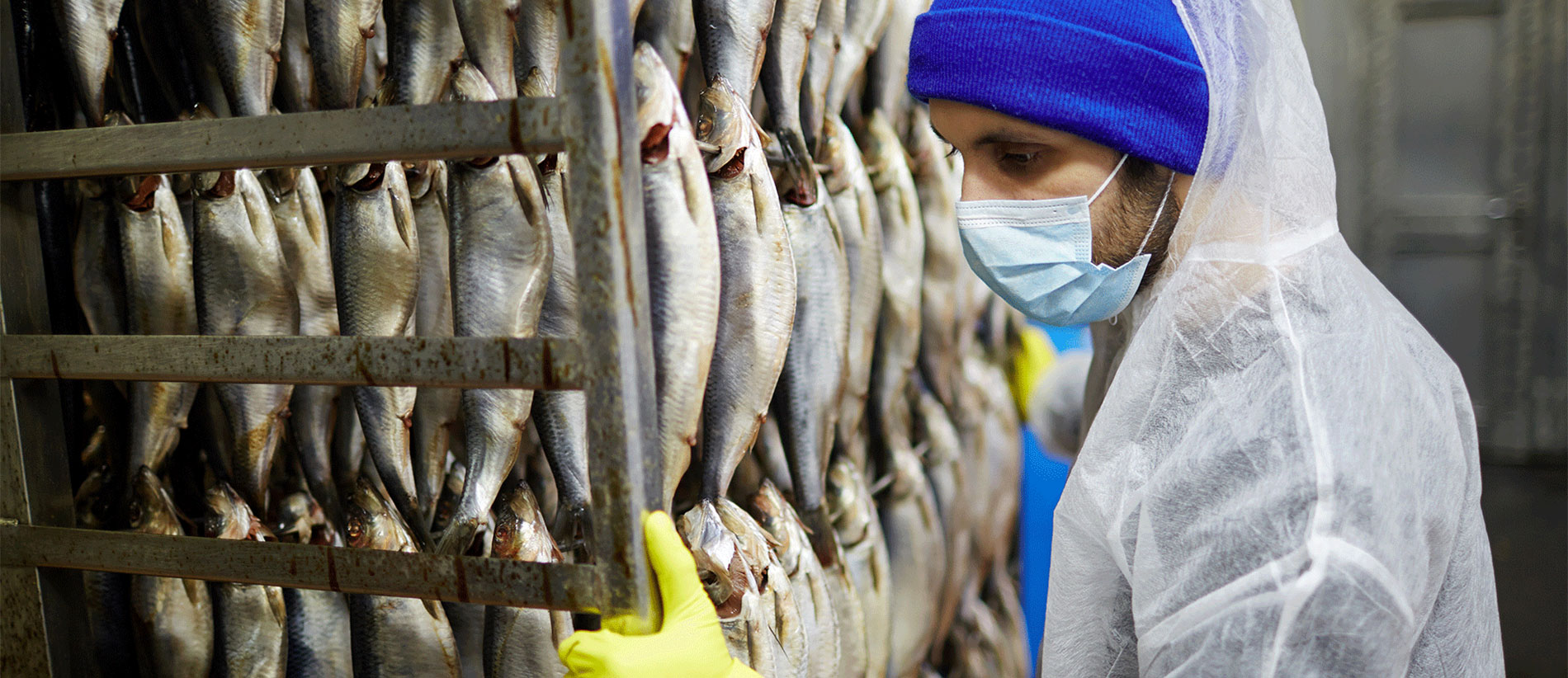
The impact of COVID-19 on the food industry is a tale of two very different stories.
On one hand, the closure of the food service sector has been devastating, with tens of thousands of restaurants, bars and cafes finding themselves unable to carry on trading. Many of these businesses will have experienced:
Significant revenue reductions caused by temporary cessation of trading and in some cases even permanent closure.
Reduction in staff headcount affecting casual labour and redundancies.
Closure of facilities/premises which in some cases have been unoccupied for prolonged periods.
Supply chain issues including a lack of availability, inability to transport goods.
Increased stock levels as a result of stock remaining in storage that would otherwise have been sold.
Conversely, food distribution and retail companies have seen an upsurge in activity and sales as populations around the region took steps to secure essential food items.
The insurance industry has started experiencing a reduction in premium volumes as a result of the temporary closure of thousands of food and beverage businesses (as well as other industry sectors). With many small retail operators often choosing to insure directly with insurers (in some countries over 70% of SMEs insure on a direct basis), the financial impact of a shrinking portfolio of retail and SME clients is going to be felt by many insurers in Asia and is likely to result in a range of measures taken by insurers to maintain premium levels and profitability.
Policyholders should expect insurers to require additional information because of the outbreak and anticipate that underwriters will expect specific details on how clients are identifying and mitigating associated risks.
As restrictions begin to ease across the region, it is anticipated that insurers will be looking for detailed information of procedures around cleaning, sanitisation, customer interaction and social distancing policies. Whilst history shows that there was very little increased litigation activity post S.A.R.S, Bird Flu and Swine Flu, COVID-19 is different. Governments across the region have implemented and are continuing to enforce strict rules, with many conditions imposed on employers and companies to ensure safe and clean workplaces. Failure to follow official rules and maintain a duty of care could lead to additional closures and where transmission occurs to employees or third parties, to legal action.
Globally, the liability market had already began to show signs of hardening, but it is now likely that a further tightening of coverage and premium increases will follow in anticipation of the broader impact of COVID-19.
AGRICULTURE INDUSTRY
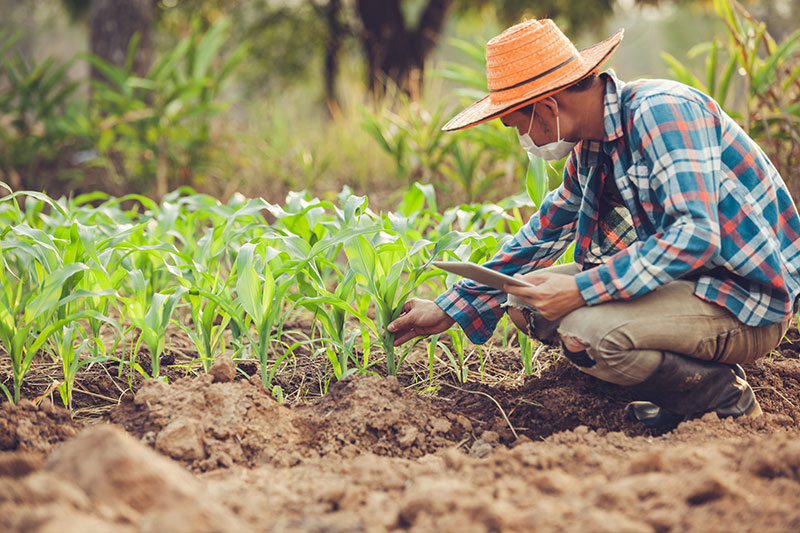
The agriculture industry has been relatively unaffected by COVID-19 in many parts of the region. Identified early on by most countries as an essential sector, the production of agricultural commodities has mostly been allowed to carry on as "business as usual".
In many segments of agriculture, there has in fact been a positive effect due to increased domestic and export demands for staple foods such as grains, meat, vegetables, fruit, dairy, seafood, oils, beverages and condiments.
However, as insurers around the world perform reviews of their businesses, strategies and future plans, trying to estimate the wider financial repercussions of COVID-19, certain classes of insurance covering agriculture are expected to be impacted.
Following several difficult underwriting years due to costly seasonal wildfires in North and South America, Europe and Australia, the Forestry insurance sector has already experienced a retraction of capacity, leading to a tightening of coverage conditions and higher premium rates.
Similar signs are starting to emerge for the Livestock and Crop insurance sectors, with many insurers scaling back their capacity for agricultural risks.
For further information, please contact:
Stephane Baldanoff
Regional Director - Asia Pacific, Food & Agriculture Practice
+61 3 9827 7624
Stephane.Baldanoff@au.lockton.com (opens a new window)